Lane 01
Immediate Workforce
A seat that needs filling now. Experienced A&P mechanics, avionics, component, bench and structures technicians, sourced against a written requirement and placed as permanent direct hires.
JetBridge Aviation works with MROs, FAA Part 145 repair stations, aircraft operators and established aviation organizations to develop technical workforce solutions tailored to their operations.
Through employer intelligence, aviation school engagement, candidate identification, direct-hire placement and retention support, we help address immediate hiring needs while developing stronger long-term talent pipelines.
JetBridge Aviation places certificated aviation technicians as permanent direct hires: A&P mechanics, avionics, structures, component and bench specialists. It also works upstream with aviation schools, students and employers to identify talent early, understand employer needs, and create better matches that lead to stronger retention.
We start by learning what the employer actually needs. Not just the job description, but the work environment, the type of technician who succeeds there, and where they tend to lose people. Then we work through the appropriate Career Services, education and workforce channels to connect employer-authorized openings with people who may fit them, qualify those people against that specific environment, and stay involved after placement through 30, 60 and 90 day follow-up.
The idea is to catch the mismatch earlier. A student can be technically capable and still end up in the wrong environment. The goal is better alignment between the student, the school and the employer, before that turns into turnover.
Most aviation employers arrive with one of two problems. They are not the same problem and they are not solved the same way, but the method underneath them does not change.
A seat that needs filling now. Experienced A&P mechanics, avionics, component, bench and structures technicians, sourced against a written requirement and placed as permanent direct hires.
For operations that cannot keep posting the same opening and expecting a different result. The seat reopens because the system behind it is not working, and that is a different job.
The employer side of aviation workforce development, start to finish: define the actual requirement, build the pipeline around it, and stay with the hire after the start date.
The operation, the role, the environment, the pay, the incentives and the hiring problem underneath the opening. Written down before anyone is approached.
The right mix of school relationships, workforce sources and direct recruiting, assembled around that requirement rather than off a standing list.
Qualified against your floor, not just the certificate. Technical ability, work environment, geography and what the person actually wants next.
A permanent direct hire onto your headcount, with compensation benchmarked against the local market before the offer goes out.
Structured check-ins with the technician and the employer at 30, 60 and 90 days, and what those turn up about pay, readiness and supply feeds the next search.
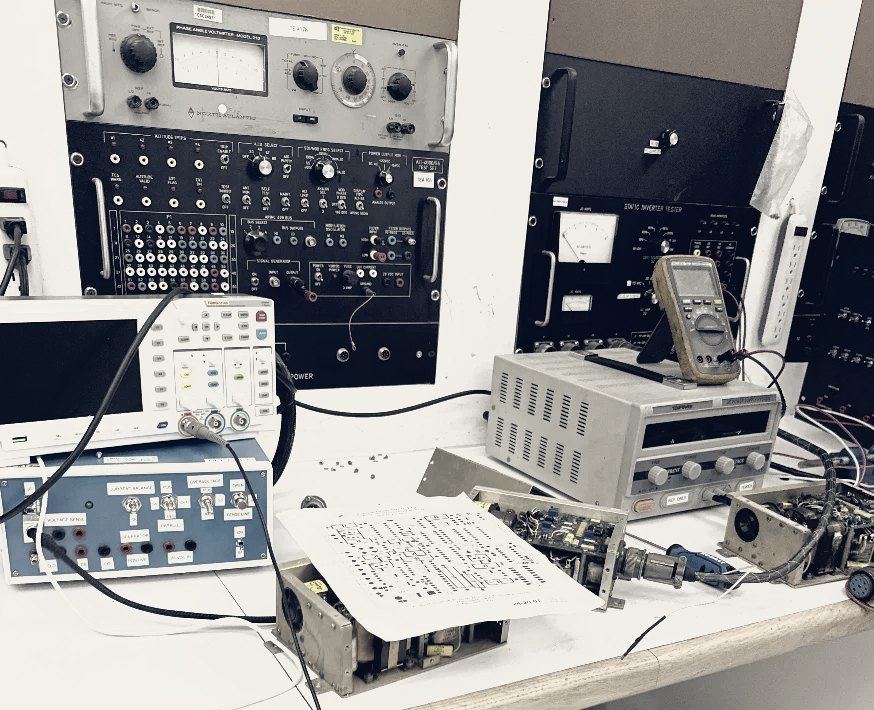
Component benches, avionics shops, structures, test cells. Indoor, precise, daytime, and almost invisible to the people choosing this trade. A student who only ever pictures an airline hangar is choosing from a fraction of the field, and the shops doing this work are the ones struggling hardest to be seen.
It does not say where they will do it well. Aviation is not one workplace, and a technician can be genuinely capable and still be badly matched to a specific floor.
Hangar, component bench, avionics, line, ramp, production, large organization, small shop. Each asks for something different in pace, autonomy, documentation and tolerance for noise and weather. Environment mismatch is a common reason a capable technician does not last, and it is rarely screened for.
We’re not building a job board.
We’re building the backbone of the aviation maintenance workforce.
Many searches end at the start date, and what the hire could have told you goes with them.
JetBridge runs a documented requirement baseline on day zero, then separate check-ins with the technician and the hiring manager at 30, 60 and 90 days. At ninety days you get a written workforce outcome report: readiness findings, retention signals, what competitors are paying in that market, and what this hire should change about the next one.
That is why the second search runs better than the first.

An aircraft does not move faster because hangar space is available. It moves when a qualified technician is on it. Every week that seat sits empty is work the shop has already sold and now cannot deliver. That is why a workforce gap shows up on the schedule months before anyone writes it down as a shortage.
JetBridge is designed to complement existing Career Services and employer-relations teams by bringing additional aviation employer demand, workplace feedback, career-environment insight and placement support into the workforce-development process.
JetBridge is not a school and does not teach. What we add is the employer side of the equation, and what we learn from it comes back to you.
A&P mechanic, avionics technician, structures or component technician, helper, aviation maintenance student or recent graduate. We help you understand the environments, what employers expect, and where your strengths fit. Free for every technician, always.
Sourced, dated, and honest about what is still unknown.

Sometimes we’re not lacking direction.
We simply haven’t been shown all the possibilities.
I spent much of my life between South Florida and Los Angeles, two major aviation markets, with family established in the MRO industry. Yet despite that proximity, I never fully understood the breadth of technical careers aviation had to offer.
My path eventually led me into business development at an FAA Part 145 repair station in South Florida, where those two worlds intersected. I saw employers struggling to build their technical workforce while aspiring aviation professionals had limited exposure to the career paths available or where their abilities might best fit.
Because building aviation’s future isn’t just about filling positions. It’s about recognizing potential and creating pathways for it to grow.
If you have a defined opening, bring the role, the certificate requirement, the platform, the band, the shift and the start date. If you are earlier than that, or the seat keeps reopening, start with a conversation instead.
Every inquiry gets an answer within one business day.
Currently developing aviation employer networks in South Florida and Southern California, with broader expansion planned. We take searches outside these markets where the requirement fits our pipeline, and we say plainly when it does not.
Compensation movement, hiring demand and pipeline data for aviation maintenance, drawn from public workforce sources and our own anonymized intake. One email per month.